

The worldwide architectural acoustic panel market is projected to maintain an 8.2% compound annual growth rate from 2026 to 2033, with total market value expected to double from USD 13.75 billion to USD 26.5 billion within seven years, according to Future Market Report's latest industry research. Among all sound-absorbing materials, WPC interior acoustic grilles stand out as the fastest-growing export segment, driven by three irreversible global industry trends reshaping cross-border procurement rules this year.
First, global green building policies create strong export tailwinds for formaldehyde-free composite acoustic panels. The EU's Carbon Border Adjustment Mechanism, North America's LEED green construction standards and Middle East sustainable urban renovation projects all restrict imports of high-VOC solid wood and traditional MDF acoustic boards. Unlike conventional timber panels that risk deforestation and chemical emissions, WPC acoustic grilles are produced with recycled wood fiber and food-grade resin, featuring zero formaldehyde, flame retardancy and full recyclability, fully complying with CE, CARB P2 and international eco-certifications favored by overseas buyers. Many European and American importers have completely shifted bulk orders from solid wood slat panels to WPC acoustic alternatives in 2026 to meet local environmental audit requirements.
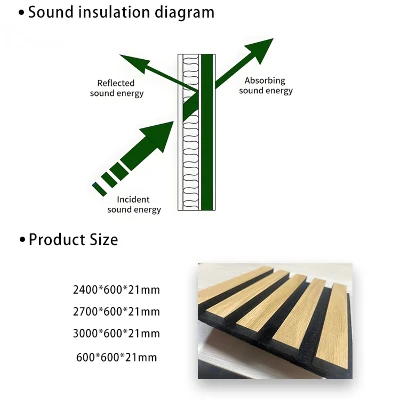
Second, integrated "decoration + sound absorption" dual-function products dominate commercial and residential renovation demand. Open-plan offices, hotel lobbies, classroom spaces and home theater interiors face severe echo and noise interference problems, pushing interior designers to prioritize decorative acoustic wall materials that balance visual texture and sound insulation performance. WPC acoustic grilles combine customizable slat shapes, abundant wood-tone and modern neutral color options with reliable NRC sound absorption coefficients. Available in full-wrapped and half-wrapped surface craft, these panels support flexible matching for TV background walls, space partitions and corridor cladding, solving both aesthetic and acoustic demands with a single product, which greatly reduces overall project material costs for overseas construction contractors.
Third, diversified regional demand brings segmented export growth opportunities across continents. North America remains the largest consumer market, accounting for 36.5% of global acoustic panel consumption, with surging orders from office refurbishment and K-12 school renovation projects. The European market pursues premium fireproof and waterproof WPC acoustic solutions for humid coastal hospitality venues, while Southeast Asia and the Middle East generate massive bulk demand for cost-effective modular grille panels supported by large-scale urban infrastructure construction.
As China's mature WPC industrial chain offers competitive factory direct pricing, flexible small-batch customization and fast container delivery, Chinese acoustic panel manufacturers hold absolute supply advantages over regional competitors in Turkey, Vietnam and Eastern Europe.
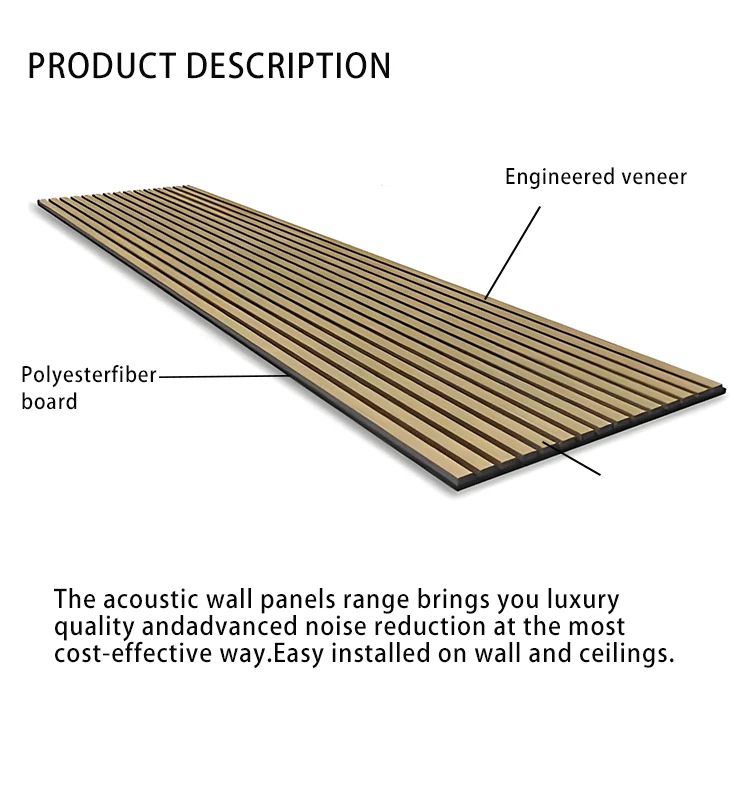
Industry insiders predict the WPC acoustic panel export boom will sustain through 2027. To capture long-term overseas orders, exporters should upgrade product certifications, expand personalized color and profile molds, and highlight low-maintenance, anti-deformation material merits in cross-border marketing for architects, distributors and construction developers worldwide.


