
Can WPC board for wall be used in kitchens?
As a supplier of WPC boards for walls, I often get asked whether these boards can be used in kitchens. This is a valid question, considering the unique environment of a kitchen, which is characterized by high humidity, heat, and potential exposure to grease and stains. In this blog post, I'll delve into the pros and cons of using WPC boards for kitchen walls, and help you make an informed decision.
What is WPC board?
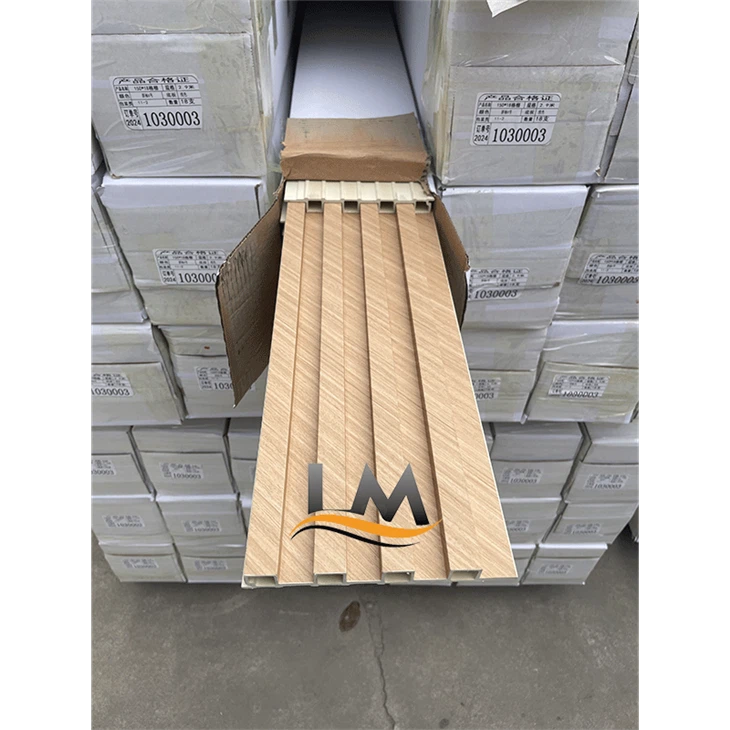
Before we discuss its suitability for kitchens, let's first understand what WPC board is. WPC stands for Wood Plastic Composite. It is a material made by combining wood fibers or flour with thermoplastics, along with additives such as coupling agents, lubricants, and stabilizers. The result is a durable, versatile material that combines the best properties of wood and plastic.
WPC boards are known for their excellent moisture resistance, which makes them a popular choice for applications in wet or humid environments. They are also resistant to rot, decay, and insects, and require minimal maintenance compared to traditional wood products. Additionally, WPC boards can be easily cut, shaped, and installed, making them a convenient option for DIY projects.
Advantages of using WPC board for kitchen walls
1. Moisture resistance
One of the biggest advantages of using WPC boards for kitchen walls is their excellent moisture resistance. Kitchens are prone to high humidity levels due to activities such as cooking, washing dishes, and boiling water. Traditional wood panels can absorb moisture, leading to warping, swelling, and mold growth. WPC boards, on the other hand, have a closed-cell structure that prevents moisture from penetrating the material, making them highly resistant to water damage.
2. Durability
WPC boards are extremely durable and can withstand the rigors of a busy kitchen. They are resistant to scratches, dents, and impacts, which means they will maintain their appearance even after years of use. Unlike traditional wood panels, WPC boards do not require regular sanding, staining, or painting to keep them looking good.
3. Easy to clean
Kitchen walls are often exposed to grease, stains, and food splatters, which can be difficult to clean. WPC boards have a smooth surface that is easy to wipe clean with a damp cloth and mild detergent. They do not absorb stains, so you don't have to worry about stubborn marks ruining the appearance of your walls.
4. Aesthetic appeal
WPC boards come in a wide range of colors, patterns, and textures, allowing you to create a customized look for your kitchen. Whether you prefer a modern, contemporary style or a more traditional look, there is a WPC board option to suit your taste. You can also choose from different finishes, such as matte, gloss, or textured, to add depth and visual interest to your walls.
5. Environmentally friendly
WPC boards are made from recycled materials, which makes them an environmentally friendly choice for your kitchen. By using WPC boards, you are reducing the demand for virgin wood and helping to conserve natural resources. Additionally, WPC boards are recyclable at the end of their lifespan, further minimizing their environmental impact.
Disadvantages of using WPC board for kitchen walls
1. Heat sensitivity
While WPC boards are generally heat-resistant, they can be affected by extreme heat. In a kitchen, direct exposure to high temperatures from stoves, ovens, or other cooking appliances can cause the boards to warp or melt. To prevent this, it is important to keep a safe distance between the WPC boards and heat sources, and to use heat shields or insulation if necessary.
2. Cost
WPC boards are typically more expensive than traditional wood panels. However, when you consider their long-term durability, low maintenance requirements, and environmental benefits, the cost can be justified. Additionally, the cost of WPC boards has been decreasing in recent years, making them a more affordable option for many homeowners.

3. Limited availability
Depending on your location, it may be difficult to find a wide selection of WPC boards for kitchen walls. You may need to order the boards online or from a specialty supplier, which can add to the cost and delivery time.
Considerations when using WPC board for kitchen walls
1. Installation
Proper installation is crucial to ensure the performance and longevity of WPC boards in a kitchen. Make sure to follow the manufacturer's installation instructions carefully, and use the recommended fasteners and adhesives. It is also important to leave a small gap between the boards to allow for expansion and contraction due to changes in temperature and humidity.
2. Ventilation
Good ventilation is essential in a kitchen to prevent the buildup of moisture and odors. Make sure your kitchen has adequate ventilation, such as an exhaust fan or range hood, to keep the air circulating and reduce the risk of mold and mildew growth on the WPC boards.
3. Maintenance
While WPC boards are low-maintenance, they still require some care to keep them looking their best. Regularly clean the boards with a damp cloth and mild detergent, and avoid using abrasive cleaners or scrubbers that could damage the surface. You may also want to apply a protective coating or sealant to the boards to enhance their durability and resistance to stains.
Conclusion
In conclusion, WPC boards can be a great option for kitchen walls, thanks to their moisture resistance, durability, easy cleaning, aesthetic appeal, and environmental friendliness. However, it is important to consider the potential disadvantages, such as heat sensitivity, cost, and limited availability, before making a decision. By taking the necessary precautions and following the manufacturer's recommendations, you can enjoy the benefits of WPC boards in your kitchen for many years to come.
If you're interested in using Wood Plastic Composite Wall Panel for your kitchen walls, or if you have any questions about our products, please don't hesitate to contact us. We offer a wide range of Interior Decoration WPC Wall Panel Customized and WPC Wall Cladding For Wall Decoration options to suit your specific needs and preferences. Our team of experts is here to help you choose the right product and provide you with professional installation and after-sales service. Let's work together to create a beautiful and functional kitchen for your home.
References
- "Wood Plastic Composite (WPC) Materials: A Review." Journal of Polymers and the Environment, vol. 18, no. 1, 2010, pp. 1-18.
- "Properties and Applications of Wood Plastic Composites." Wood Handbook: Wood as an Engineering Material, USDA Forest Service, 2010.
- "WPC Wall Panels: The Future of Interior Decoration." Building Materials Journal, vol. 20, no. 3, 2018, pp. 45-52.